

Confectionery Products
Gelatin for confectionery products
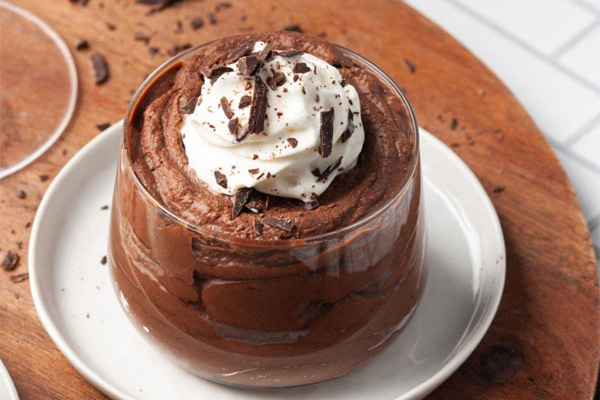
Gelatin is a pure natural protein obtained from animal bones and skin, consisting mainly of protein. It is widely used in confectionery production. The primary function of gelatin is to bind ingredients together. Foods containing gelatin are soft and elastic; this property is especially noticeable in products such as mousse or pudding. In practice, gelatin powder is most commonly used because it dissolves easily and quickly.
Before use, gelatin powder is soaked in warm water. After absorbing the liquid, it is evenly mixed and brought to a liquid consistency. It is then added to the mixture that needs to be thickened. Please note that all gelatin-based desserts should be stored in a refrigerator, as they melt quickly and lose their shape in warm conditions.
Tips
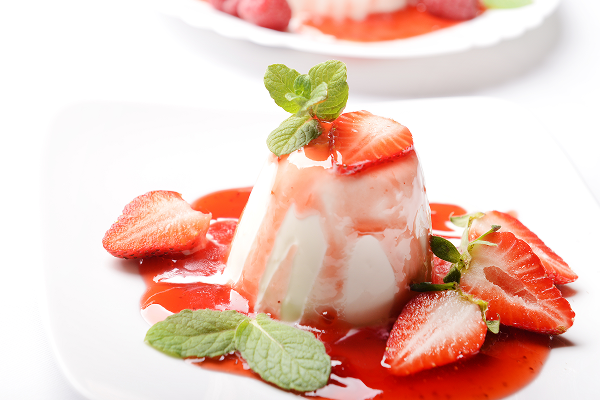
When preparing fruit mousse, pay attention: enzymes in some fruits break down the protein in gelatin, preventing it from setting. Such fruits include kiwi, papaya, and similar ones. Therefore, it is recommended to boil the fruits before making fruit mousse with gelatin.
If dissolved gelatin is not used immediately, it should be stored in the refrigerator and reheated when needed before use.

For Confectionery Products
In confectionery production, the total dosage of gelatin typically ranges from 5% to 10%. The best results are achieved when the gelatin content is around 6%. Sugar (jelly candies) usually contain about 6.17% gelatin. In nougat, the gelatin content may range from 1.6% to 3% or higher. Marshmallow dosage is typically between 1.15% and 9%. For candy and jelly sweets, a gelatin content of 2%–7% is recommended.
Compared to starch or agar, gelatin provides greater elasticity, chewiness, and transparency, making it ideal for confectionery production. In particular, soft candies and toffee require gelatin with high gel strength.
For Dairy Products
When consumed, gelatin helps form hydrogen bonds, preventing whey separation and reducing casein contraction. This prevents the separation of solid and liquid phases and improves the structure and stability of finished products.
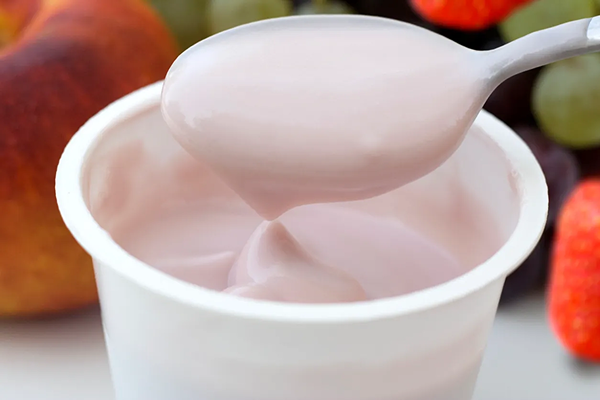
If gelatin is added to yogurt, whey separation is prevented, and the product’s texture and stability are significantly improved.